How to Get Approved for Dental Implants
Blog:How to Get Approved for Dental Implants

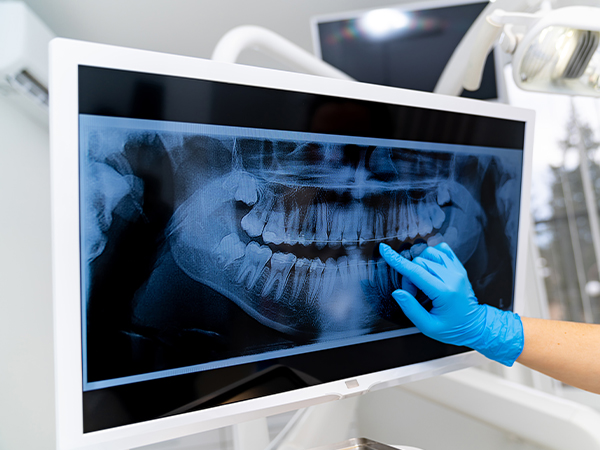
The dental implant process is lengthy and intricate. Therefore, patients must receive a thorough examination before embarking on the dental implant process. The dentist will check for abnormalities, sufficient amounts of healthy gum tissue and jawbone, and specific medical or lifestyle concerns. Fortunately, if any of these issues are present, some services can improve the chance of receiving approval for dental implants.
Address infections or disease
If disease or infections are present on the gums, tongue, or cheeks, a dentist must address them before the dental implant process can begin. In some cases, the treatment may involve antibiotics and a root scaling and planing service, while others may require oral surgery to remove a lesion. If the disease impacts the mouth and can be treated, it is important to do so before inquiring about dental implants.
Bone grafts
Dental implants require a sufficient healthy jawbone. This is largely due to the implant's base, which looks like a post, which the dentist will surgically implant into the underlying jawbone of the missing tooth. If a tooth has been missing too long or disease occurs, the jawbone can deteriorate. When this happens, the post will not have a firm foundation to be screwed into and act as an anchor for the rest of the implant. A bone graft uses synthetic material or bone from elsewhere in the body to replenish areas lacking in the jawbone.
Gum grafts
Dental implants consist of three parts: the post, the abutment, and the restorative. Since the jawbone will cover the post, the bulk of the abutment, which is attached to the post, will need to be covered by gum tissue and the restorative. Therefore, a gum graft is required if the gums are too thin or sink toward the jawbone.
A gum graft involves different techniques depending on the needs of the target area. However, the foundation for them all is taking connective tissue from elsewhere in the body, usually the roof of the mouth, and building up the area that will hold the abutment.
Smoking cessation
According to the Centers for Disease Control and Prevention or the CDC, smoking and tobacco products of any kind negatively impact or completely inhibit the body's healing abilities. Considering healing is a large part of the dental implant process, following two surgical appointments, this is a large factor to consider for candidacy. Smoking and tobacco products can also increase the risk of uncontrollable bleeding during surgery and increase the risk of infection. They can also cause dental implant failure at any time during the process or even afterward. Therefore, patients should try to quit smoking for an extended period of time.
Quick Links
Helpful Articles
article_category: cosmetic
article_category: eye surgery co-management
article_category: products
article_category: vision therapy
article_category: dogs
article_category: technology
article_category: general
article_category: eye health
article_category: aesthetics
article_category: services
article_category: faqs
article_category: exotic
article_category: large animal
article_category: contact lenses
article_category: surgical procedures
article_category: health
article_category: psychiatry
article_category: conditions
article_category: restorative
article_category: preventative
article_category: cats
article_category: eyeglasses
article_category: ocular disease management
[]
article_category: eye surgery co-management
article_category: products
article_category: vision therapy
article_category: dogs
article_category: technology
article_category: general
article_category: eye health
article_category: aesthetics
article_category: services
article_category: faqs
article_category: exotic
article_category: large animal
article_category: contact lenses
article_category: surgical procedures
article_category: health
article_category: psychiatry
article_category: conditions
article_category: restorative
article_category: preventative
article_category: cats
article_category: eyeglasses
article_category: ocular disease management
[]
Flowbite is an open-source library of interactive components built on top of Tailwind CSS including buttons, dropdowns, modals, navbars, and more.
Check out this guide to learn how to get started and start developing websites even faster with components on top of Tailwind CSS.

All Dental Services
We offer a wide variety of dental services to the Santa Clara community. Contact us with any questions about our services.
Keep In Touch
For non-urgent questions or to learn more about our services, contact us today!
© 2026 Genesis Dentistry Dental Group. All rights Reserved - Accessibility Statement - Privacy Policy - Terms & Conditions - Sitemap
Managed and Designed by 